

INTRO
Peptides are slowly making a comeback in standard medical care as rules become clearer and regulated channels open again.
At Everest, the approach implies caution and ethics as well as adherence to changing requirements to add certain substances back to the formulation.
Peptides like BPC-157, GHK-Cu, and CJC-1295 are back in news for things like cellular tissue repair and rejuvenation treatment
What Does It Mean to “Return to the Formulary”
A formula serves as more than simply a set of ingredients; it is a carefully selected group of substances that are safe to use in medicine.
This means for Everest:
- Just peptides that follow the latest rules and regulations are included.
- Engaging with pharmacies to ensure compounding follows 503A rules.
- Putting quality assurance, source control, and medical professional monitoring prior.
In simple terms, accessibility via a standard framework rather than the grey market.
BPC-157: The Peptide for Healing
People talk a lot about BPC-157 (the body’s safety component) and what it might do for:
- Fixing tissues such as muscles, tendons, and ligaments.
- The health of the GI tract and regeneration of the mucosa.
- Results that reduce inflammation.
It is often examined in:
- Places to recover from sports.
- Problems relating to the GI.
- Damage to smooth tissue.
Key Note: Use in clinical settings must operate according to the rules for the compounding process and the doctor’s judgment.
GHK-Cu: The Peptide for Rejuvination and Beauty
People most commonly know the peptide GHK-Cu for:
- Producing collagen and rejuvenation of the skin.
- Healing of wounds.
- Aid in growth hair.
It has become most popular in the following areas:
- Cosmetics.
- Dermatology.
- Anti-aging.
This adaptability allows it to be among the greatest clinically proven adaptable peptides that are coming back to traditional formulations.
CJC-1295: Changes in Growth Hormone
CJC-1295 is a conventional growth hormone-releasing hormone (GHRH) that promotes the production of hormones regulating growth in the body.
It could help:
- Getting better results.
- Quality of rest.
- Fit physique.
People often think about it as the following:
- Medical treatment for long life and good health.
- Guidelines for enhancing hormones.
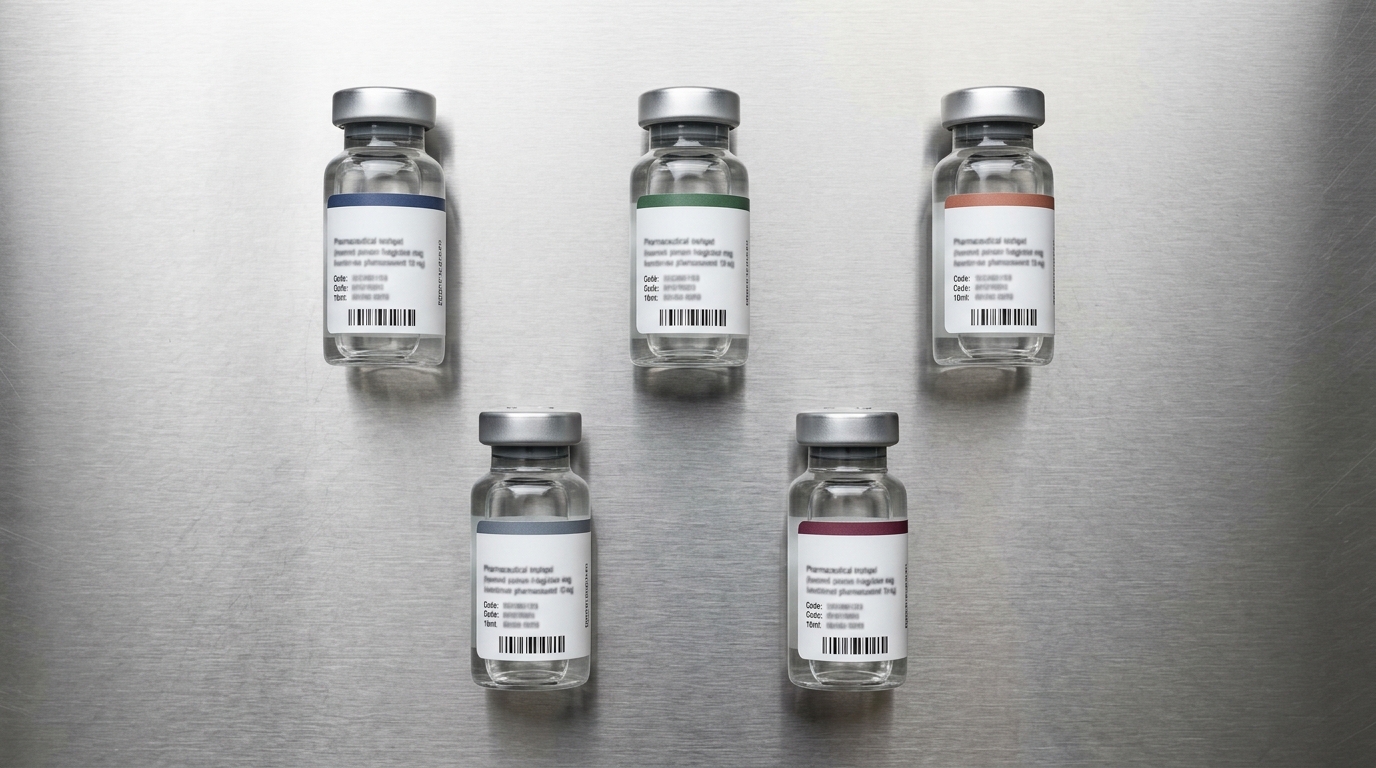
Different Peptides Are Back in the Discussion:
In addition to the peptides aforementioned, other compounds have been reviewed for a place in the formula:
- Ipamorelin helps release GH with less complications.
- Thymosin Beta-4 (TB-500) helps tissues heal and get better efficiently.
- Melanotan II: Studies on coloration and protection from the sun.
- The FDA has authorized tesamorelin for specific weight loss use.
They examine each peptide based on the following criteria:
- The condition of regulations.
- The importance of the clinic.
- The ability to compound.
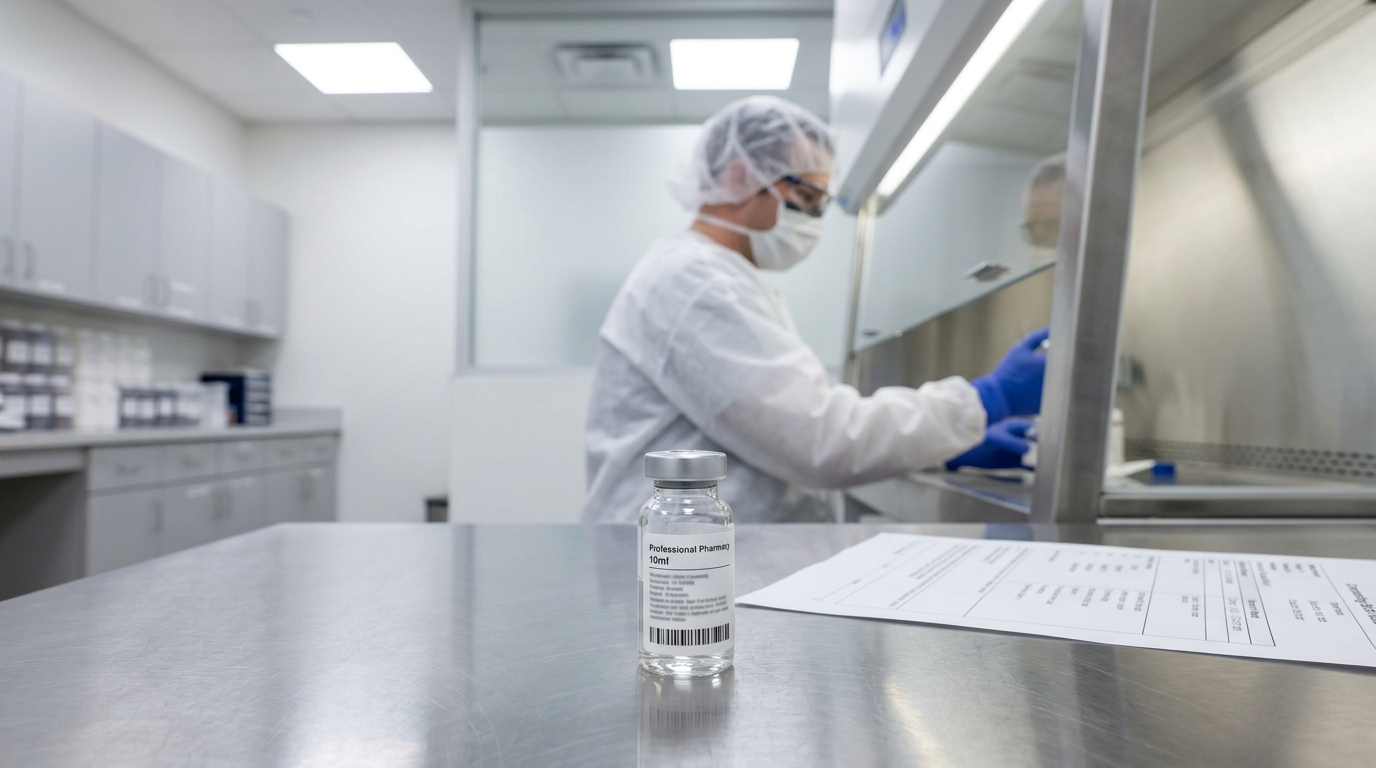
The Reason Peptides Like These are Appearing Back Now
This change is caused by:
- A better understanding of the U.S. FDA’s rules on compounding substances.
- More focus on the following 503A rules.
- Need for treatments that are monitored and supervised by doctors.
The priorities are currently on the following:
- Medical guidance.
- Sourcing with quality management.
- Establishing guidelines based on the needs of each patient.

What This Means for Doctors
Doctors can now:
- Bring peptides back into therapeutic regimens in a safe way.
- Follow the rules for acceptable compounding procedures.
- Stay away from grey-market products to prevent potential dangers.
Important things to think about:
- Make sure that prescribed medications are for each patient.
- Work with reliable 503A pharmacies.
- Be up to date on FDA regulations and descriptions of mass-produced compounds.

What This Means for Patients
The change for patients means:
- The accessibility of peptide treatments are easier and safer to obtain.
- Administration and follow-ups directed by a doctor.
- Less risky than sources that aren’t regulated.
The purpose isn’t simple availability; it’s reliability and organized access.
Conclusion
BPC-157, GHK-Cu, CJC-1295, and others aren’t just “returning back." They are being brought back in a more structured and regulated way.
That means for Everest’s formulary:
- Careful choice.
- Conformity of rules.
- Accountability in the clinic.
The purpose of peptide treatment is as apparent as it develops:
Development that is supported by a standard framework; not but using quick fixes.
Sources:
- https://vytalhealth.com/peptides-for-longevity-bpc-157-tb-500-ghk-cu-cjc-1295/
- https://pmc.ncbi.nlm.nih.gov/articles/PMC12753158/
- https://journals.sagepub.com/doi/10.1177/03635465251357593
- https://www.orthoandwellness.com/blog/bpc-157-update-and-deep-dive-miracle-healing-peptide-or-hidden-danger
- https://djholtlaw.com/the-unregulated-world-of-peptides-what-you-need-to-know-before-you-inject/
- https://pmc.ncbi.nlm.nih.gov/articles/PMC6073405/
- https://thewholehumanhealthandwellbeing.com/peptide-therapy-science-evidence/
- https://www.fda.gov/drugs/human-drug-compounding/bulk-drug-substances-used-compounding-under-section-503a-fdc-act
- https://www.atria.org/education/peptides-for-longevity/
- https://elitenp.com/fda-peptide-reclassification-2026-what-it-means-for-providers-and-patients/
- https://integrativehealthmiami.com/peptides-for-recovery-what-should-you-know/
- https://www.newyorker.com/magazine/2026/04/13/why-are-people-injecting-themselves-with-peptides