
Read Our Knowledgeable Blog
BPC-157, GHK-Cu, CJC-1295, and More: The Compounds Coming Back to Everest's Formulary

INTRO
Peptides are slowly making a comeback in standard medical care as rules become clearer and regulated channels open again.
At Everest, the approach implies caution and ethics as well as adherence to changing requirements to add certain substances back to the formulation.
Peptides like BPC-157, GHK-Cu, and CJC-1295 are back in news for things like cellular tissue repair and rejuvenation treatment
What Does It Mean to “Return to the Formulary”
A formula serves as more than simply a set of ingredients; it is a carefully selected group of substances that are safe to use in medicine.
This means for Everest:
- Just peptides that follow the latest rules and regulations are included.
- Engaging with pharmacies to ensure compounding follows 503A rules.
- Putting quality assurance, source control, and medical professional monitoring prior.
In simple terms, accessibility via a standard framework rather than the grey market.
BPC-157: The Peptide for Healing
People talk a lot about BPC-157 (the body’s safety component) and what it might do for:
- Fixing tissues such as muscles, tendons, and ligaments.
- The health of the GI tract and regeneration of the mucosa.
- Results that reduce inflammation.
It is often examined in:
- Places to recover from sports.
- Problems relating to the GI.
- Damage to smooth tissue.
Key Note: Use in clinical settings must operate according to the rules for the compounding process and the doctor’s judgment.
GHK-Cu: The Peptide for Rejuvination and Beauty
People most commonly know the peptide GHK-Cu for:
- Producing collagen and rejuvenation of the skin.
- Healing of wounds.
- Aid in growth hair.
It has become most popular in the following areas:
- Cosmetics.
- Dermatology.
- Anti-aging.
This adaptability allows it to be among the greatest clinically proven adaptable peptides that are coming back to traditional formulations.
CJC-1295: Changes in Growth Hormone
CJC-1295 is a conventional growth hormone-releasing hormone (GHRH) that promotes the production of hormones regulating growth in the body.
It could help:
- Getting better results.
- Quality of rest.
- Fit physique.
People often think about it as the following:
- Medical treatment for long life and good health.
- Guidelines for enhancing hormones.
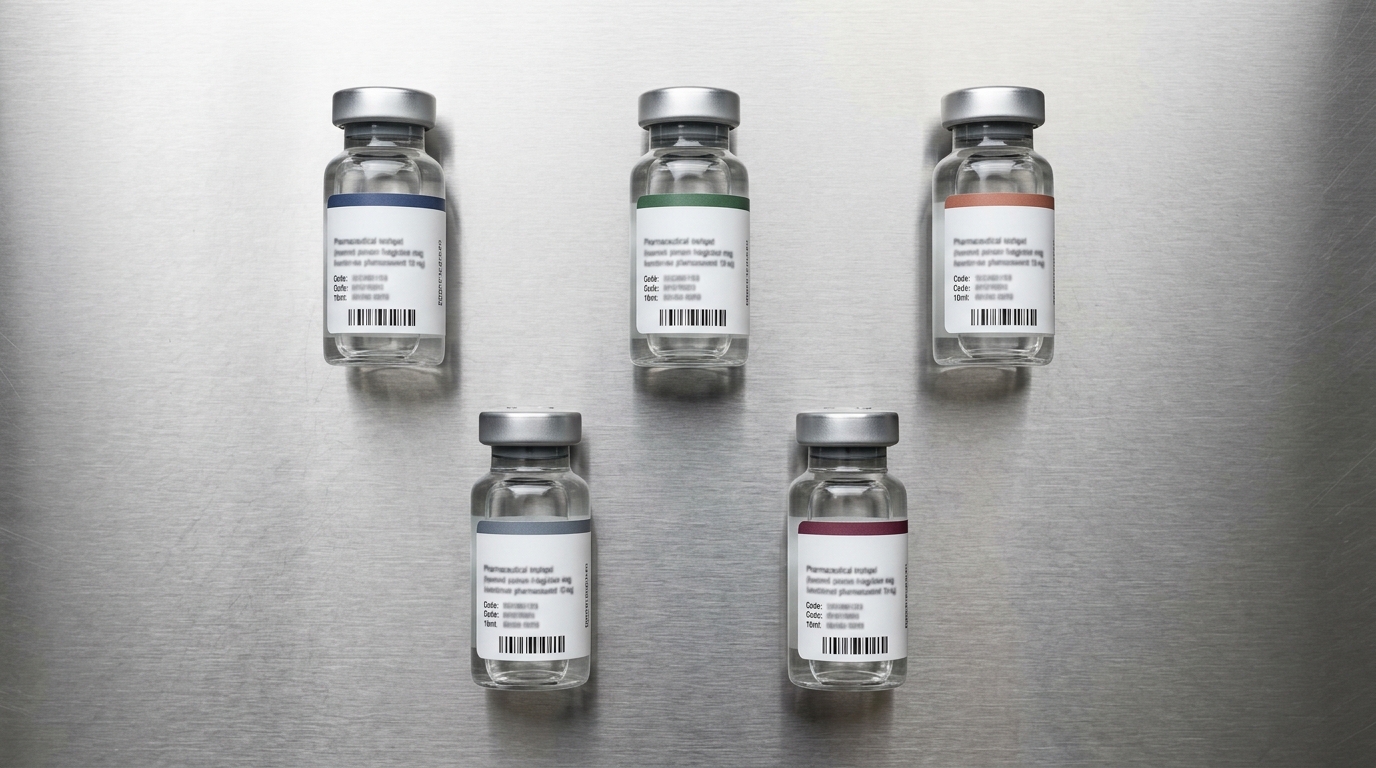
Different Peptides Are Back in the Discussion:
In addition to the peptides aforementioned, other compounds have been reviewed for a place in the formula:
- Ipamorelin helps release GH with less complications.
- Thymosin Beta-4 (TB-500) helps tissues heal and get better efficiently.
- Melanotan II: Studies on coloration and protection from the sun.
- The FDA has authorized tesamorelin for specific weight loss use.
They examine each peptide based on the following criteria:
- The condition of regulations.
- The importance of the clinic.
- The ability to compound.
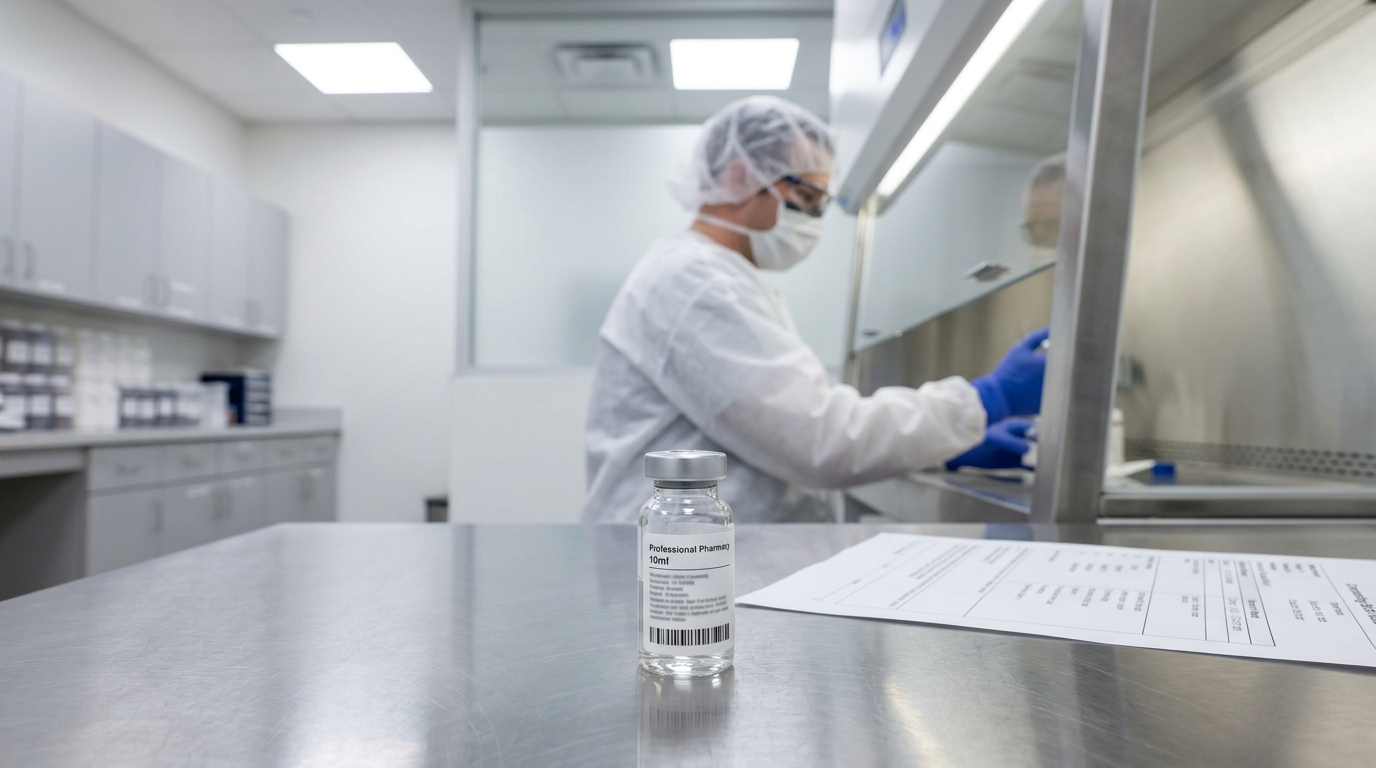
The Reason Peptides Like These are Appearing Back Now
This change is caused by:
- A better understanding of the U.S. FDA’s rules on compounding substances.
- More focus on the following 503A rules.
- Need for treatments that are monitored and supervised by doctors.
The priorities are currently on the following:
- Medical guidance.
- Sourcing with quality management.
- Establishing guidelines based on the needs of each patient.

What This Means for Doctors
Doctors can now:
- Bring peptides back into therapeutic regimens in a safe way.
- Follow the rules for acceptable compounding procedures.
- Stay away from grey-market products to prevent potential dangers.
Important things to think about:
- Make sure that prescribed medications are for each patient.
- Work with reliable 503A pharmacies.
- Be up to date on FDA regulations and descriptions of mass-produced compounds.

What This Means for Patients
The change for patients means:
- The accessibility of peptide treatments are easier and safer to obtain.
- Administration and follow-ups directed by a doctor.
- Less risky than sources that aren’t regulated.
The purpose isn’t simple availability; it’s reliability and organized access.
Conclusion
BPC-157, GHK-Cu, CJC-1295, and others aren’t just “returning back." They are being brought back in a more structured and regulated way.
That means for Everest’s formulary:
- Careful choice.
- Conformity of rules.
- Accountability in the clinic.
The purpose of peptide treatment is as apparent as it develops:
Development that is supported by a standard framework; not but using quick fixes.
Sources:
- https://vytalhealth.com/peptides-for-longevity-bpc-157-tb-500-ghk-cu-cjc-1295/
- https://pmc.ncbi.nlm.nih.gov/articles/PMC12753158/
- https://journals.sagepub.com/doi/10.1177/03635465251357593
- https://www.orthoandwellness.com/blog/bpc-157-update-and-deep-dive-miracle-healing-peptide-or-hidden-danger
- https://djholtlaw.com/the-unregulated-world-of-peptides-what-you-need-to-know-before-you-inject/
- https://pmc.ncbi.nlm.nih.gov/articles/PMC6073405/
- https://thewholehumanhealthandwellbeing.com/peptide-therapy-science-evidence/
- https://www.fda.gov/drugs/human-drug-compounding/bulk-drug-substances-used-compounding-under-section-503a-fdc-act
- https://www.atria.org/education/peptides-for-longevity/
- https://elitenp.com/fda-peptide-reclassification-2026-what-it-means-for-providers-and-patients/
- https://integrativehealthmiami.com/peptides-for-recovery-what-should-you-know/
- https://www.newyorker.com/magazine/2026/04/13/why-are-people-injecting-themselves-with-peptides
The Ban is Lifting: What RFK Jr.'s Announcement Means for Peptide Therapy

INTRO
In today's modern world of medicine, the ideaof peptide therapy has efficiently come into work in different types of fieldsin medicine, endocrinology, and wellness. However, there have been recentlimitations that have triggered concerns and perplexity towards patients andphysicians.
Robert F.Kennedy Jr. bringing to the attentiona possible change to the approach people are asking: “Is the “peptide ban”really being uplifted. And more so, how will it continue to progress?
What is the “Peptide Ban”
The phrase “Peptide Ban” was more of a mereexaggeration than the big meaning it conveyed. It did not mean it was acomplete ban of peptide therapy, but more so a constricting set of rules ofsome compounds. That led the FDA to make a “do not compound” list in 2023,restricting their accessibility for tailored pharmaceuticals.
Safety alarms arose, and because of the amountof lack of clinical evidence is what caused all these decisions. As the primarygoal was for the patients safetiness, there was an obvious shift that led topatients and physicians with a worry in their mind and a more restricted viewof peptide therapy.

What RFK Jr’s. announcement implies
The most recent statement from RFK Jr. hintsat a change to reducing some of the compliance requirements of peptide therapy.
Although, really no regulations have beenformally made, the attitude of the report illustrates a more profound effect onthe new way of medicine. This could bring a change of restrictions on peptides,especially the ones that have made a positive impact toward clinical medicinebut were restricted due to lack of evidence.
Principally, the statement brings out a shiftin reducing the certain restrictions and instead a more efficient approach,towards the safeness and attainability of peptides.

What it means for physicians
This change of improvement can bring outflexibility to physicians that was not there before.
Many physicians, especially those in medicine,endocrinology, and restorative care used and depended on peptides as part oftheir patients' treatment methods. Even with appropriate clinical treatmentmethods, these strict rules caused it to be more difficult for them to attainand give particular therapies for their patients.
If these certain limitations are reduced, theycan bring back their ways of tailoring their treatments to patients moreaccurately, the efficiency of peptide medication can be more accessible and theinnovation of peptides and medicine can expand, including in places withlimited treatment choices. It is important to still be cautious of the Food andDrug administration because it will continue to be a part of the system.Providers will have to gain sufficient clinical evidence to show continuousimprovement of peptide medication.

What it means for patients
The change of this possible outcome can upliftaccessibility and more choices for patients. Throughout the time of the limitedrules a lot of patients were not able to go through many peptide medicationtreatments. It elevated prices because of a demand in supplies, and concernswhether the treatments were harmful and obliged by the law.

What has not been changed
Although this announcement is portrayedtowards positivity, some parts are still not changed. The practices will stillbe continued to be ruled from the Food and Drug Administration. There stillneeds to be a sufficient amount of clinical evidence for approval of use andsafety. There will still be some peptides that will not be accessible.Pharmacies using these peptides must still follow the strict regulations.
Although it won’t be a full turnaround yet,there is still a chance for a potential comeback.
Conclusion
Peptide therapy is increasingly growing andfast.
RFK Jr’s recent announcement brought toattention a feeling of awareness that there could be a possibility that it canbe turned back alive. Although the ban wasn’t complete, it developed asignificant impact that any change can make a whole new way of how thesetreatments can be used in today’s modern world of clinical practice.
Steadiness and awareness should physicians andpatients be and be kept up to date on the innovation and the latest peptidetreatments.
Sources:
- https://www.medpagetoday.com/washington-watch/washington-watch/120196
- https://www.frierlevitt.com/articles/fda-peptide-regulation-rfk-announcement-compounding-pharmacies/
- https://www.health.com/are-peptide-injections-effective-safe-11925699?utm
- https://www.wsj.com/health/rfk-jr-china-peptides-market-2ce249df
Category 1 Is Back: Which Peptides Are Returning to Legal Compounding

INTRO
Peptides used for treatments are still being regulated and developing, and will continue to do so.
In today’s world of innovation in the area of medicine peptides have become more and more popular.
Previous news have indicated that peptides could be returning to “Category 1”, a grouping that enables authorized production within the law, following a time of constraints and uncertainty. This can result in a significant change in patient care, healthcare adaptability, as well as availability for both physicians and patients.
What does Category 1 really mean to the peptide world - and which peptides are making its return?
What Is CATEGORY 1
The peptides utilized in formulation are categorized according to their risk behavior, legal condition, and acceptable evidence from studies under the Food and Drug Administration system.
Category 1: Compounds that can be lawfully produced while being reviewed by the FDA.
Category 2: Compounds that are prohibited from mixing and cause a risk to health.
Category 3: Compounds for which there is not enough information to support proper use.
Lots of peptide compounds have been put under review or moved into Category 2 during current regulation restrictions, which affected their accessibility via pharmaceuticals.
The discussion has begun to shift once more.

Why Category 1 Is Vital
Because it permits pharmacies that compound medications (peptides) to lawfully formulate and supply them while the approval process is in progress, placing them in Category 1 is very important.
This choice allows for:
- Continuation of attainability for patients.
- A more adaptable way for physicians to tailor these specific treatments.
- A smoother opening for treatments to be accessible lawfully without consent of FDA.
To sum up, Category 1 is a pathway between transformation and rules in the use of peptide therapy.

Which Peptides May Comeback
Yet, no final list of which peptides are returning are completely confirmed, there are definitely continuous conversations. According to RFK Jr. statement, it implies that some widely used compounds will come to place for production.
Peptides used for these important functions:
- Weight control and metabolism treatments
- Restoration of tissue and rehabilitation procedures
- Aid in production of hormones structurability
Types of example in ongoing discussions toward supervisory and clinic setting:
- BPC-157
- Thymosin Beta-4 (TB-500)
- CJC-1295
- Ipamorelin
Yet, permission is still based on approval of safeness, agreement, and further analysis of FDA within peptide rules.
WHEN WILL THESE SHIFTS OCCUR
The time of these changes remains unpredicted.
Currently:
- No formal confirmation has been implemented of a certain date it will happen.
- These shifts will happen slowly, but steady.
- Compliance revisions might vary based on FDA evalutaion periods and strategy perspective.
This isn’t a change that will happen all at once; it’s a gradual change.
Pharmaceutical companies, medical facilites, and physicians should keep a close eye on news and changes in regulations from the FDA.
What It Means for Physicians
To doctors, going back to Category 1 could give them a lot more freedom in their clinical work.
This could help physicians:
- Put peptide-driven procedures back into regimens.
- Make treatments fit the needs of each patient (provide better care).
- Offer various therapies diseases that don’t have many usual ones.
In addition, doctors need to be careful and make sure that any tailored treatment follows the rules and is based on evidence that is reliable.
What It Means for Patients
Patients might have greater accessibility along with additional choices if Category 1 peptides come back.
Possible advantages are:
- More access to treatments that used to be limited.
- Further personalized ways to treat people.
- Less dependence on unauthorized or unlawful sources.
Individuals should still put their safety first and discuss to a licensed physician prior to starting peptide treatment, though.
What Has Not Changed
Even though people are hopeful about Category 1 talks, some important rules still stand:
- The FDA still keeps an eye on how manufacturing is done.
- Certain peptides will be accessible right away, not all.
- Effectiveness, reliability, as well as scientific proof are still very important.
- Pharmaceutical clinics have to continue its regulations.
This merely represents a change in the rules, not a full downturn.
Conclusion
A potential comeback of Category 1 peptides is a big step forward in the innovation of peptide use.
As laws and views change, the compromise between risk and advancement stays at the top of the list. Greater availability can be good for doctors and patients, but responsbile use will still depend on on careful oversight and while making informed choices.
As this area continues to evolve, it will be important to stay up to date on shifts in policies and evidence from studies.
Sources:
- https://www.fda.gov/drugs/guidance-compliance-regulatory-information/human-drug-compounding
- https://www.fda.gov/drugs/human-drug-compounding/compounding-and-fda-questions-and-answers
- https://www.fda.gov/drugs/human-drug-compounding/bulk-drug-substances-used-compounding
- https://ncpa.org/newsroom/qam/2025/01/13/fda-releases-guidance-compounding-pharmacies
- https://www.medpagetoday.com/washington-watch/washington-watch/120196
- https://www.health.com/are-peptide-injections-effective-safe-11925699
- https://apnews.com/article/peptide-injections-rfk-maha-4d48e78a5d65658b4d6eac87818352e3

Why the Grey Market Was Always the Real Safety Risk

INTRO
Throughout the years, discussions have focused on peptide therapy in terms of its limits, attainability, and changing control.
Some people thought that stricture rules would make things safer, but the truth is that unsupervised usage, rather than the rules themselves, was the biggest risk to safety. As systems evolve, an even more organized and standardized path is becoming clear.
What is the “Grey Market” in Peptide Therapy?
The term “grey market” refers to peptides made available without authorized pharmacological networks. Such peptides are classified as:
- Purposes are limited to the area of research only.
- For people not to use.
- Marketed for sellers online that aren’t verified.
The FDA usually doesn’t evaluate these items, which means:
- There is no control over the quality.
- There is no proper dosage of the product.
- There is no authenticated origin or production method.
Clients often resorted to these means when authentic clinical options were vague or unobtainable.

Why the Grey Market Was the Real Risk
- Insufficient control of quality.
With no regulation, there is simply no means to know for sure that products have the following:
• The right peptide.
• The right amount.
• No harmful substances and no defects.
Research regarding online peptide-based supplements has uncovered issues such as labeling errors, contaminants, and fluctuating effectiveness, which create many risks to safety.
- No Physician Supervision
People often use grey market goods regardless of help from authorized vendors, which raises the possibility of the following:
• Wrong amount.
• Giving the wrong dose.
• Inadequate warnings.
The result leaves a space where clients are basically testing themselves in the absence of any healthcare-authorized supervision.
- Higher Chance of Side Effects
Due to purification and dosage levels not always being clear, adverse effects tend to be prone to happening. These include:
• Responses to the immune system.
• Infectious diseases.
• The impacts on the whole system that are difficult to predict.
Why Rules Make Things Safer
In contrast to the general opinion, rules aren’t about imposing limits on treatment; it’s about making care the same for everyone.
Regulatory entry includes the following:
- Checked criteria for obtaining supplies and production.
- Continuous administration and making up.
- Medical profession supervision and observation of patients.
- Following the rules set by physicians.
The FDA in the United States and combining systems are working to make sure that treatments meet minimum requirements for safety and effectiveness.
What Limited Availability Actually Looks Like
Peptide therapy is moving into a better-standardized approach as more precise options become available:
- Treatment With Aid of a Physician
Patients can get peptides via authorized physicians who:
• Look at the person’s health records.
• Find the right signals.
• Monitor the results and potential side effects closely.
- Compounds
Authorized pharmacies that specialize in compounding can make peptides when it is acceptable to do so. They do this by:
• Using guidelines for sterilization.
• Using rules for control of quality.
• Maintaining records and being able to trace things.
- Additional Honesty
Patients as well as providers now have:
• More clear rules about what is allowed.
• A deeper knowledge of sources.
• More trust in the quality of the product.

What This Means for Physicians
- Less dependence on unreliable information.
- Physicians can operate under established rules.
- More sure about giving prescriptions and keeping an eye on peptide therapies.

What This Means for Patients
- Easier availability of treatments that are safer.
- Less chance of contaminants or mistakes in dosage.
- Better cooperation between physicians and patients.
Conclusion
The story about peptide therapy is evolving, and that is a positive sign.
The primary anxiety wasn’t just accessibility; it was rather the manner in which that entry happened. The gray market made up for voids in supply, though it also added big risks to safety, reliability, and control.
As monitored systems shift over time, it has become apparent what the focus is: a system that is secure, accessible, and supervised medically is not a limit; it is a requirement that must be fulfilled.
Sources:
- https://www.fda.gov/news-events/press-announcements/fda-warns-30-telehealth-companies-against-illegal-marketing-compounded-glp-1s
- https://modernaestheticsmd.com/med-spa-blog/the-dangers-of-grey-market-peptides
- https://www.intra-v.com/blog/hidden-dangers-of-buying-peptides-from-research-only-websites
- https://www.obesityaction.org/oac-statement-about-grey-market-glp-1-products-and-safe-obesity-care/
- https://www.washingtonpost.com/health/2025/11/26/peptides-bodybuilding-injections-side-effects/
- https://www.reuters.com/business/healthcare-pharmaceuticals/us-fda-warns-online-vendors-selling-unapproved-weight-loss-drugs-2024-12-17/
- https://www.nytimes.com/2026/03/31/health/peptide-ban-fda-rfk-jr.html
503A Sterile Compounding 101

INTRO
Many doctors have asked a similar question—now that peptides are back in the field: Which are the guidelines to follow?
You need to know how 503A compounding for sterilization works before you are able to prescribe peptides again. It is more than just obtaining it; it also involves adhering to the rules, staying safe, and being responsible in the clinic setting.
This guide discusses what 503A means, how it relates to peptides, and what doctors should keep in mind going forward.
What Does It Mean to Be 503A?
503A is part of the Federal Food, Drug, and Cosmetic Act that sets rules for typical compounding pharmacies.
These pharmaceuticals:
- Make medicines based on each person’s prescribed medications.
- Make solutions that meet the demands of each patient.
- The U.S. FDA and local pharmacies' committees mostly control them.
503A pharmacies are different from externally contracted facilities (503B) in that they:
- Are unable to produce a lot of medications at once.
- Have to work on a prescribed foundation for each patient.

What Do “Sterilized Compounds” Mean
When you create sterile compounds, you ensure that the medications remain uncontaminated by:
- Bacteria
- Fungi
- Particles
This is very important for peptides, as some of them are:
Injections that are given through the skin or into a vein.
There are strict rules that must be followed when making sterile compounds, such as:
- USP 797.
- Regulations for standard aseptic procedures.
- Specifications for sanitary spaces and adequate ventilation.
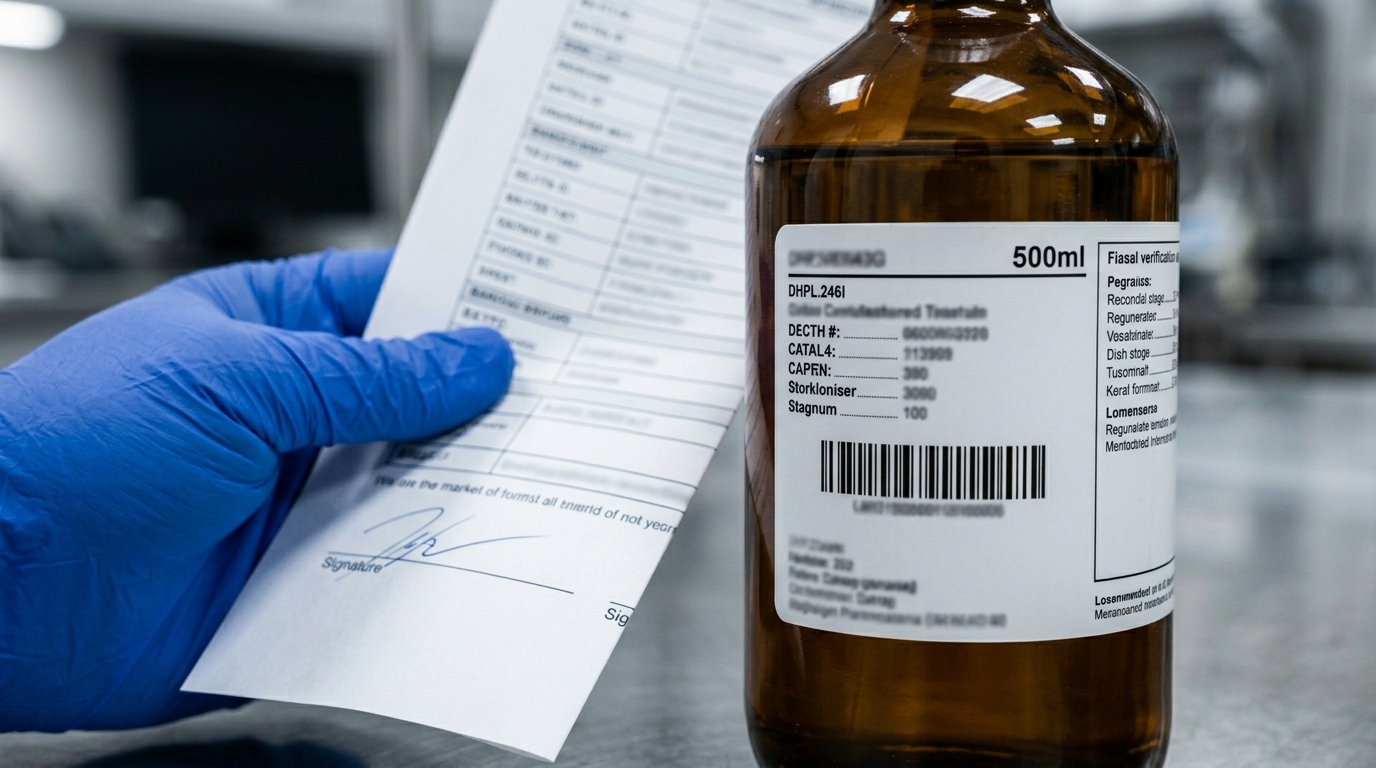
Why 503A Is Important For Peptides
Not every peptide can be mixed without restrictions.
Following 503A:
- The Food and Drug Administration has rules that peptides have to follow.
- They are not allowed to be “merely replicas” of medications that are already on the market (unless there’s a good reason).
- The total amount of compounds that are used should be as follows:
From authorized documents or confirmed through medical requirement and risk information.
In the past, this is where many peptides have come under conflict.

Important Things Doctors Need to Think About When It Comes to Compliance
Doctors should verify the following before providing peptides through 503A pharmacies:
- A real medical necessity.
Is the medication prescribed to a particular patient?
Is there an official medical reason? - It is crucial to adhere to the regulations set by the pharmacy.
Does the pharmacy follow the rules of USP 797.
Do they have the right licenses and have they been checked out? - Getting peptides- Do the components come from FDA-approved places?
Is there a document for verification of evaluation? - Safety of the formulation
Is the peptide unaffected when it is mixed with other formulas?
Are the dose and sterilization verified?

What’s Different Now?
Changes and updates in regulations that have happened recently are:
- There are continuous conversations about mixtures of peptides.
- Focused on controlled entry instead of grey-market acquisition.
- Enabling doctors to operate under rules such as 503A.
This means:
- More clear.
- More responsible.
- Ensured access for patients (safety).

What Could Happen If you don’t Follow 503A Rules
If you prescribe away from regulated procedures, you could:
- Potential risks to patients' safety include getting sick or giving the wrong dose.
- Legal responsibility.
- The FDA is looking into things.
Precisely one’s regulated viewpoint stresses:
“Completely formulated medications must simply be administered when there isn’t an FDA-authorized choice that would be appropriate for a patient.”

What This Implies for Physicians
Doctors do not require staying away from peptides; they just need to know how to use them.
The Big Idea is:
- Working with 503A reliable pharmacies.
- Providing guidelines based on an established medical reason.
- Following the rules set by the FDA and USP.
Conclusion
503A-safe compounding is the basis for proper prescriptions of peptides.
Doctors can do the following if they understand it:
- Know how to manage and follow the rules with confidence.
- Make sure patients are safe.
- Get peptides in a responsible way.
Sources:
- https://mediverarx.com/503a-compounding-pharmacy-explained/
- https://www.thefdagroup.com/blog/503a-vs-503b-compounding-pharmacies
- https://www.ncbi.nlm.nih.gov/books/NBK562888/
- https://www.usp.org/compounding/legal-considerations
- https://nabp.pharmacy/programs/accreditations/compounding-pharmacy/
- https://www.ashp.org/advocacy-and-issues/key-issues/other-issues/compounding/fda-issues-three-guidances-on-pharmacy-compounding?loginreturnUrl=SSOCheckOnly
- https://www.aha.org/lettercomment/2021-12-06-aha-comments-revised-fda-guidance-hospital-compounding
- https://advisory.avalerehealth.com/insights/navigating-the-evolving-world-of-drug-compounding
BPC-157, GHK-Cu, CJC-1295, and More: The Compounds Coming Back to Everest's Formulary
INTRO
Peptides are slowly making a comeback in standard medical care as rules become clearer and regulated channels open again.
At Everest, the approach implies caution and ethics as well as adherence to changing requirements to add certain substances back to the formulation.
Peptides like BPC-157, GHK-Cu, and CJC-1295 are back in news for things like cellular tissue repair and rejuvenation treatment
What Does It Mean to “Return to the Formulary”
A formula serves as more than simply a set of ingredients; it is a carefully selected group of substances that are safe to use in medicine.
This means for Everest:
- Just peptides that follow the latest rules and regulations are included.
- Engaging with pharmacies to ensure compounding follows 503A rules.
- Putting quality assurance, source control, and medical professional monitoring prior.
In simple terms, accessibility via a standard framework rather than the grey market.
BPC-157: The Peptide for Healing
People talk a lot about BPC-157 (the body’s safety component) and what it might do for:
- Fixing tissues such as muscles, tendons, and ligaments.
- The health of the GI tract and regeneration of the mucosa.
- Results that reduce inflammation.
It is often examined in:
- Places to recover from sports.
- Problems relating to the GI.
- Damage to smooth tissue.
Key Note: Use in clinical settings must operate according to the rules for the compounding process and the doctor’s judgment.
GHK-Cu: The Peptide for Rejuvination and Beauty
People most commonly know the peptide GHK-Cu for:
- Producing collagen and rejuvenation of the skin.
- Healing of wounds.
- Aid in growth hair.
It has become most popular in the following areas:
- Cosmetics.
- Dermatology.
- Anti-aging.
This adaptability allows it to be among the greatest clinically proven adaptable peptides that are coming back to traditional formulations.
CJC-1295: Changes in Growth Hormone
CJC-1295 is a conventional growth hormone-releasing hormone (GHRH) that promotes the production of hormones regulating growth in the body.
It could help:
- Getting better results.
- Quality of rest.
- Fit physique.
People often think about it as the following:
- Medical treatment for long life and good health.
- Guidelines for enhancing hormones.
Different Peptides Are Back in the Discussion:
In addition to the peptides aforementioned, other compounds have been reviewed for a place in the formula:
- Ipamorelin helps release GH with less complications.
- Thymosin Beta-4 (TB-500) helps tissues heal and get better efficiently.
- Melanotan II: Studies on coloration and protection from the sun.
- The FDA has authorized tesamorelin for specific weight loss use.
They examine each peptide based on the following criteria:
- The condition of regulations.
- The importance of the clinic.
- The ability to compound.
The Reason Peptides Like These are Appearing Back Now
This change is caused by:
- A better understanding of the U.S. FDA’s rules on compounding substances.
- More focus on the following 503A rules.
- Need for treatments that are monitored and supervised by doctors.
The priorities are currently on the following:
- Medical guidance.
- Sourcing with quality management.
- Establishing guidelines based on the needs of each patient.
What This Means for Doctors
Doctors can now:
- Bring peptides back into therapeutic regimens in a safe way.
- Follow the rules for acceptable compounding procedures.
- Stay away from grey-market products to prevent potential dangers.
Important things to think about:
- Make sure that prescribed medications are for each patient.
- Work with reliable 503A pharmacies.
- Be up to date on FDA regulations and descriptions of mass-produced compounds.
What This Means for Patients
The change for patients means:
- The accessibility of peptide treatments are easier and safer to obtain.
- Administration and follow-ups directed by a doctor.
- Less risky than sources that aren’t regulated.
The purpose isn’t simple availability; it’s reliability and organized access.
Conclusion
BPC-157, GHK-Cu, CJC-1295, and others aren’t just “returning back." They are being brought back in a more structured and regulated way.
That means for Everest’s formulary:
- Careful choice.
- Conformity of rules.
- Accountability in the clinic.
The purpose of peptide treatment is as apparent as it develops:
Development that is supported by a standard framework; not but using quick fixes.
Sources:
- https://vytalhealth.com/peptides-for-longevity-bpc-157-tb-500-ghk-cu-cjc-1295/
- https://pmc.ncbi.nlm.nih.gov/articles/PMC12753158/
- https://journals.sagepub.com/doi/10.1177/03635465251357593
- https://www.orthoandwellness.com/blog/bpc-157-update-and-deep-dive-miracle-healing-peptide-or-hidden-danger
- https://djholtlaw.com/the-unregulated-world-of-peptides-what-you-need-to-know-before-you-inject/
- https://pmc.ncbi.nlm.nih.gov/articles/PMC6073405/
- https://thewholehumanhealthandwellbeing.com/peptide-therapy-science-evidence/
- https://www.fda.gov/drugs/human-drug-compounding/bulk-drug-substances-used-compounding-under-section-503a-fdc-act
- https://www.atria.org/education/peptides-for-longevity/
- https://elitenp.com/fda-peptide-reclassification-2026-what-it-means-for-providers-and-patients/
- https://integrativehealthmiami.com/peptides-for-recovery-what-should-you-know/
- https://www.newyorker.com/magazine/2026/04/13/why-are-people-injecting-themselves-with-peptides
RFK Jr. Said the Quiet Part Out Loud: The FDA's Peptide Ban Created the Problem It Claimed to Solve
INTRO
Peptide control has adopted a well-known protocol for a long time:
Limit availability, minimize risks, and keep patients safe.
However, suppose that manner of doing things had an opposing effect?
Robert F. Kennedy Jr.'s recent comments have highlighted an argumentative concept:
The FDA’s regulation on peptides might have driven consumers to markets that aren’t safe and aren’t monitored, which is the opposite of what they wanted.
What Happened: The FDA’s Peptide Crackdown 7
The U.S. FDA put several peptides in a limited group in 2023. This group is often called “Category 2."
- This will stop many 503A pharmacies from making them.
- Restricting doctors' ability to access and write prescriptions.
- Pointing out risks like toxicities, contaminants, and inadequate availability of medical evidence.
The organization made this choice because they thought that some peptides were “major health potential factors.”

The Unintentional Repurcussions: The Growth of the Gray Market
Limits didn’t get rid of customers; they made a void.
Thus void was centered with:
- Manufactures of “study compounds” web-based.
- Suppliers from around the world that aren’t regulated.
- Consumer-facing gray market sites.
Studies say that a lot of clients are:
- Getting peptides that are for sale online.
- Injecting themselves without a doctor’s help.
- Utilizing things that might not be pure or might be contaminated.
A few items have been discovered to contain the following:
- Heavy Metals.
- Endotoxins.
- Wrong amounts.
In simple terms, there wasn’t reduced oversight; there merely was less supervision.

RFK Jr. Said, “The Ban Didn’t Work”
RFK Jr. raised an important point in his recent public appearances:
- The FDA’s rules were too strict.
- They restricted adequate availability via doctors.
- They did not prevent people from using it at all.
He has advocated for the following:
- To take away constraints on about 14 peptides.
- Get accessibility back through authorized compounded pharmacies.
- Change to monitored use with the help of a doctor.
As one specialist put:
“Prohibition merely did not succeed; the public will come up with ways to use this chemical.”

The Main Problem: Demand Never Went Away
Peptides did not flee away; they just went undercover.
What drives consumers is the following:
- Getting better and achieving the best outcome.
- Interests in extended life and prevention of aging.- Hormonal and metabolism procedures.
Even those who disagree agree:
- Peptides remain commonly utilized even though there are limits.
- Many do not have solid evidence on people, but demand is growing quickly.
Rules didn’t stop people from using them; it just altered where and how they do.

The Real Risk Change
The Food and Drug Administration wanted to cut down on:
- Chemicals that are not safe.
- Recipes of low quality.
- No medical evidence.
However, the unplanned change made:
- No doctor supervision.
- Lack of assurance of quality.
- No normalization of doses.
Professionals say that uncontrolled peptides may have the following effects:
- Reactions of the immune system.
- Toxic effects.
- Potential hazards of infection and contamination.

What is changing now?
The talk is changing from:
“Prohibit it” to “Monitor it adequately."
RFK Jr. statement says:
- Possible reclassifying some peptides.
- Go back to 503A compounding paths.
- More strict regulation against vendors who break the law.
But first, a highly significant fact verification:
These peptides are unchanged as follows:
- Not approved by the FDA.
- In the queue of being looked at.
- Still needs a doctor’s supervision.
Statements made publicly do not equal policy that is set in stone.

What This Means for Doctors
Doctors find themselves at a turning point:
Option 1:
Don’t pay attention to peptides at all.
Option 2:
Interact with these people in a responsible way that follows the rules.
The safer way to move ahead is the following:
- Using prescribed medications that have been mixed with 503A.
- Staying away from gray-market sources.
- Keeping a close eye on patients.

What This Means for Patients
This change is the most important thing for patients.
As an alternative to:
- Purchasing unidentified medications through the internet.
- Consuming substances with no help.
The objective now is:
- Monitoring by a doctor.
- Purchasing a product with control of quality.
- Secured administration and oversight.
CONCLUSION
RFK Jr.’s assertion did not initiate the conflict; it brought it to light.
The truth is:
- The FDA took steps to reduce risk to patients.
- Limits may have made riskier situations less effectively regulated.
- Due to that, the system has to be reprogrammed.
Peptides probably won’t be around in the future:
Full ban or unlimited accessibility.
It’s a mix of both:
Access that is arranged, controlled, and led by a doctor.
Sources:
- https://www.reuters.com/business/healthcare-pharmaceuticals/us-fda-is-expected-lift-restriction-certain-peptides-nyt-reports-2026-03-31/
- https://www.newyorker.com/magazine/2026/04/13/why-are-people-injecting-themselves-with-peptides
- https://amaneciahealth.com/fda-peptide-reclassification-2026-amanecia-health/
- https://www.gq.com/story/peptides-fda-unbanned
- https://www.businessinsider.com/inside-superpower-peptide-startup-people-hotter-smarter-2026-3
- https://www.lumalexlaw.com/2026/03/02/fda-category-2-peptides-reclassification/
- https://www.fda.gov/drugs/guidance-compliance-regulatory-information/human-drug-compounding
- https://www.fda.gov/drugs/human-drug-compounding/bulk-drug-substances-used-compounding-under-section-503a-fdc-act
- https://pmc.ncbi.nlm.nih.gov/articles/PMC12154100/
What "Not FDA-Approved" Actually Means - and Why That Doesn't Mean Unsafe

INTRO
The term “not FDA-approved" has significance in the present-day regulations. It’s frequently seen like a caution regarding something hazardous, unproven, or even harmful.
However, that presumption is too basic.
In actuality, a large number of treatments used on a regular basis in medical settings are in some way unapproved by the FDA. Knowing the true meaning of the phrase is important, particularly when compounded substances and peptide treatments resurface in the discussion.
What Does It Really Mean to be “FDA-Approved”
Whenever a medication receives FDA approval, it indicates:
- - It has undergone several clinical studies.
- - The producer filed a New Drug Application (NDA).
- - It was examined by the U.S. FDA to ensure production excellence, security, and effectiveness.
- It is authorized for particular groups, dosages, and uses.
Here’s the secret though:
Authorization pertains to a particular substance, not the compound in all its forms or application.

What Is Not Meant By “Not FDA-Approved”
“Not FDA-Approved” might not always imply the following:
Unlawful, risky, inefficient, and uncontrolled.In actuality, this includes a lot of commonly used healthcare procedures.
Instances consists of:
- Supplying unauthorized substances is quite typical in healthcare.
- Patient-specific mixed pharmaceuticals.
- Medical is seeking official FDA authorizations for new applications.
Daily, doctors lawfully apply prescription substances that are not prescribed based on research and professional judgment.

Compounded Pharmacies’ Role
The purpose of mixing is to cover empty spaces left by synthesized medications.
Pharmaceuticals are made by organizations controlled by regulations such as as 503A and 503B when:
- A patient needs a unique formula or dosage.
- A medication is in short of supply.
- Standard substances are intolerable to a patient.
State governing bodies of pharmacology frequently control these pharmacy chains, which are subject to federal rules (such as the Federal Food, Drug, and Cosmetic Act). Compounded medications are not uncontrolled even though they are not "FDA-approved."

Why This Category Often Includes Peptides
Many compounds, such as GHK-Cu, BPC-157, and CJC-1295, are in a regulating gray area due to the following:
- They might not have a finished NDA application.
- Personalized compound formulations frequently employ them.
- Though intriguing, the study is still in its early stages.
This does not always imply that they are dangerous; rather, it frequently indicates the following:
The entire market clearance process is still not completed.

Risk Vs Regulation: What Actually Matters
A more appropriate inquiry is to ask instead of concentrating only on FDA approval clearance is: What is the source of the medication?
Protection is more dependent on:
- Compounded pharmacy’s effectiveness.
- Guidelines for supply and sanitation.
- Medical monitoring and dosage.
- Patient preference and observation.
A legally authorized medicine that is inadequately supplied may be harmful.
A controlled establishment’s properly formulated medicine can be both secure and effective.

What This Means For Physicians
This difference is important for doctors:
- “Not FDA-Approved” shouldn’t immediately rule out a treatment; the needs of patients, medical reasoning, and data still have to come before anything else.
- Recognizing legal details protects patients and practices equally.
Making informed choices is the aim, not avoiding situations out of worry.

What This Means For Patients
The lesson for patients is straightforward:
- Make inquiries.
- Recognize the cause of your therapy.
- Collaborate with experienced providers.
"Not FDA approved" serves as a starting point for conversation rather than a warning sign on its own.
CONCLUSION
For a long time, the term “not FDA-approved" has been misinterpreted.
- It does not indicate danger.
- It does not imply inefficiency.
- Furthermore, it does not imply illegitimacy.
It merely means that the item has not undergone a particular regulating process.Transparency is more important than ever as medicine develops, particularly in fields like peptide treatment.
Sources:
- https://www.fda.gov/drugs/frequently-asked-questions-popular-topics/approved-drugs-questions-and-answers
- https://www.fda.gov/drugs/guidance-compliance-regulatory-information/human-drug-compounding
- https://www.ncbi.nlm.nih.gov/books/NBK562881/
- https://www.fda.gov/drugs/human-drug-compounding/compounding-inspections-and-oversight-frequently-asked-questions
- https://www.fda.gov/drugs/human-drug-compounding/human-drug-compounding-laws
- https://www.thefdagroup.com/blog/503a-vs-503b-compounding-pharmacies
- https://www.fda.gov/drugs/human-drug-compounding/fdc-act-provisions-apply-human-drug-compounding
- https://www.fda.gov/drugs/human-drug-compounding/compounding-when-drugs-are-fdas-drug-shortages-list

The Return of Peptide Therapy: How to Vet a Compounding Pharmacy Before Writing That First Prescription

INTRO
Physicians are now presently investigating the prospects of peptide treatment as it reappears in everyday life, from metabolism regulation to generative medicine and more.
However, possibility also entails accountability.
Not every compounding pharmacy chain functions with an equal degree of purity, adherence, or protection; thus, the most significant variation rarely involves the substance being used but rather where it originates from.
It is important to understand how to thoroughly screen pharmacies when making your initial prescribed medication.
Why It’s More Important than Ever to Vet the Pharmacy
Due to rising supply, the peptide industry has witnessed the following:
- Pharmaceutical suppliers are expanding quickly.
- Variations in level of quality between establishments.
- A combination of enterprises that are strictly regulated and those that are not.
This combination produces a straightforward outcome:
The standard of care at the pharmacy influences the risk of peptide therapy.
Perhaps even the most desirable substance may turn dangerous if:
- The dosage is incorrect.
- Polluted.
- Developed through untrustworthy basic resources.

Step 1: Verify the Regulation Status (503A vs 503B)
Let’s begin with the fundamentals:
State-controlled 503A pharmaceuticals handle individual prescribed medications, whereas U.S.-regulated 503B exporting companies handle more general manufacturing. Strict specifications for production must be adhered to by the FDA.
Current good manufacturing practices (cGMP), a key performance measure, must be followed by 503B factories.
Important lesson:
503B frequently offers a higher level of control if uniformity and sanitation are of the highest priority, particular for injections.

Step 2: Confirm Sterility and cGMP Compliance
This is important for peptide treatments, particularly injections.
Check for compliance with:
- cGMP guidelines.
- Composing procedures for sterility (USP 797).
- Verification of a cleaning facility and observation of the setting.
These standards are established by groups such as the U.S. Pharmacopeia.
A pharmacy should raise warning signs if they are unable to provide safe, sanitary protocols.

Step 3: Ask For Testing Via a Third Party
You are expected to be able to check each set.
Please request the following:
- Certificate of Analysis.
- Validation by an autonomous test lab of the following:
- Pureness.- Power.
- No pollutants present.
If a pharmacy can’t give you clear proof of screenings, that is a major problem.

Step 4: Look at API Sourcing (Raw Ingredients)
The performance of a peptide begins well before its compounded.
Important inquiries:
- Where do the Active Pharmaceutic Ingredients (APIs) come from?
- Do the vendors register with the FDA?
- Are the supplies checked when they get there?
The best pharmacies have rigorous rules for who can work with them.

Step 5: Look at How Supportive and Open the Doctor Is
A good pharmacy is not hidden behind closed doors.
Search to find:
- Pharmaceutical professionals who are easy to reach for advice.
- Simple directions on how much to take.
- Ability to talk about supplier selection and formulating.
- Help with training for professionals.
Being open and honest is a strong sign of high quality.

Step 6: Look Over the Inspection History and Compliance Records
Do what you must.
Look for the following:
- Records for standard evaluations of inspection from the U.S. FDA.
- Documents obtained from the state governing body of the pharmacies.
- Any notices of caution or misconduct.
Do not disregard a record of problems with conformity.

Step 7: Know What You’re Writing
None of the peptides are the same.
Make certain that:
- Medical reasons for application are justified.
- Correct dosage of procedures is applied.
- Know what the prevailing rules are.
The primary objective is not merely accessibility; it is also about accountable incorporation of the treatments of patients.
Things to Avoid
- No COAs or broad assertions about tests.
- Uncertainty of where the components come from.
- Lack of USP or sterilzation protocols.
- No accessibility for pharmacists.
- Advertising statements that are too strong, such as “instant fix.”
If something seems unreliable or unrealistic, it probably is not accurate
What this Means for Doctors
Doctors have been in a key role as peptide therapy comes back.
- You are in charge of keeping things safe.
- The pharmacy that you choose has an immediate effect on the results.
- It’s hardly necessary to do a thorough investigation.
The choice of the drug store, not the drug itself, is often what makes therapy safe or harmful.
What this Means for Patients
For those receiving care, this means:
- Therapies that are more secure.
- Results that are easier to infer.
- More faith in the treatment.
People receive immediate benefits when the doctors do their job right.
Conclusion
Peptide-based treatment is more than just "returning"; it’s revolutionizing.
However, alongside this development corresponds a demand for improved sources, greater quality, and more sophisticated prescription choices.
The subject matter isn’t further:
“Can you give peptides?"
It’s the following:
“Am I receiving the peptide through the proper source?”
Since excellence is priority in the field of medicine.
Sources
- https://www.fda.gov/drugs/human-drug-compounding/compounding-inspections-and-oversight-frequently-asked-questions
- https://www.fda.gov/drugs/human-drug-compounding/information-outsourcing-facilities
- https://www.gconbio.com/503b-compounding-pharmacy/
- https://www.usp.org/compounding/general-chapter-797
- https://certified-laboratories.com/blog/usp-797-sterile-compounding-what-you-need-to-know-about-sterility-testing/
- https://www.fda.gov/news-events/press-announcements/fda-warns-30-telehealth-companies-against-illegal-marketing-compounded-glp-1s
- https://www.fda.gov/drugs/human-drug-compounding/fdc-act-provisions-apply-human-drug-compounding
- https://www.ncbi.nlm.nih.gov/books/NBK562888/
- https://www.frierlevitt.com/articles/regulatory-status-of-peptide-compounding-in-2025/
- https://a4pc.org/news/2023-10/fda-puts-some-peptides-off-limits
- https://www.fda.gov/media/124948/download
- https://www.fda.gov/regulatory-information/search-fda-guidance-documents/insanitary-conditions-compounding-facilities-guidance-industry