INTRO
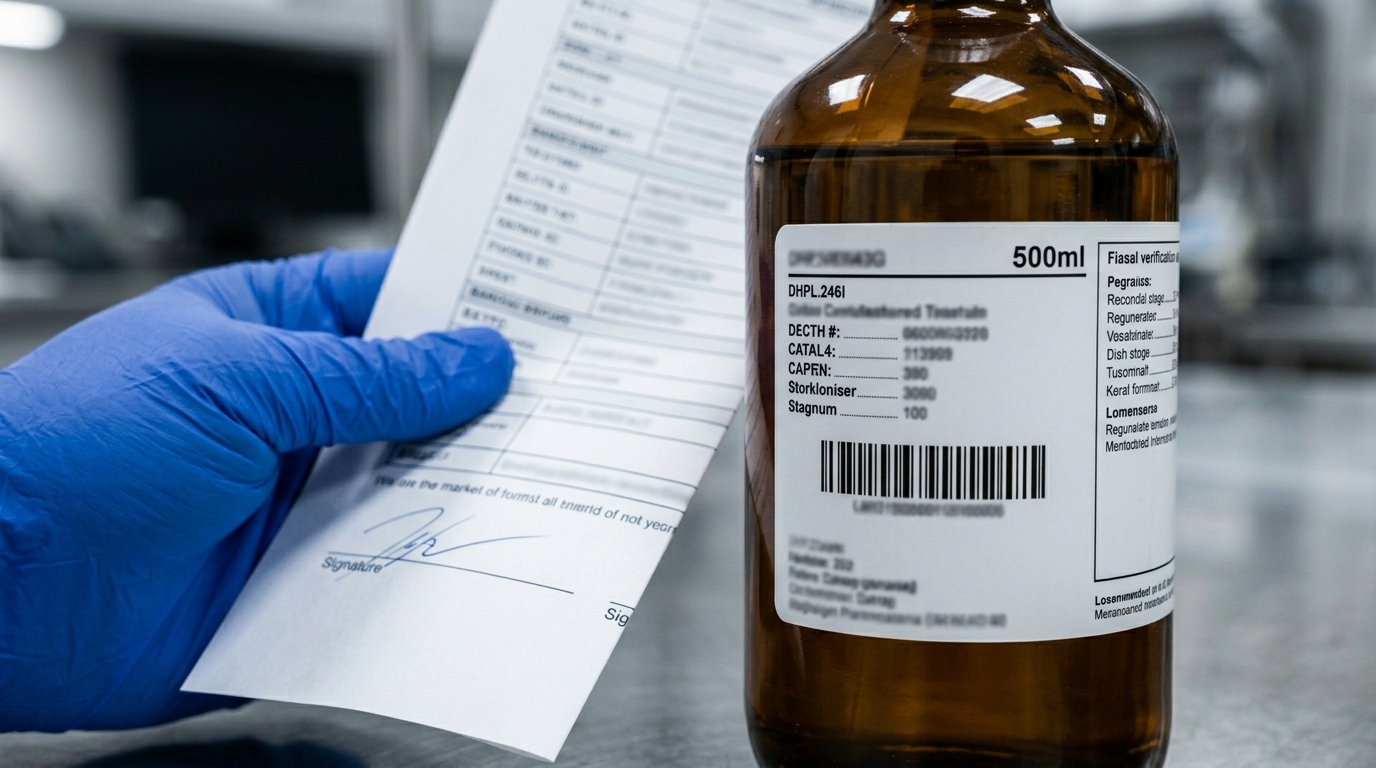
The term “not FDA-approved" has significance in the present-day regulations. It’s frequently seen like a caution regarding something hazardous, unproven, or even harmful.
However, that presumption is too basic.
In actuality, a large number of treatments used on a regular basis in medical settings are in some way unapproved by the FDA. Knowing the true meaning of the phrase is important, particularly when compounded substances and peptide treatments resurface in the discussion.
What Does It Really Mean to be “FDA-Approved”
Whenever a medication receives FDA approval, it indicates:
- - It has undergone several clinical studies.
- - The producer filed a New Drug Application (NDA).
- - It was examined by the U.S. FDA to ensure production excellence, security, and effectiveness.
- It is authorized for particular groups, dosages, and uses.
Here’s the secret though:
Authorization pertains to a particular substance, not the compound in all its forms or application.

What Is Not Meant By “Not FDA-Approved”
“Not FDA-Approved” might not always imply the following:
Unlawful, risky, inefficient, and uncontrolled.In actuality, this includes a lot of commonly used healthcare procedures.
Instances consists of:
- Supplying unauthorized substances is quite typical in healthcare.
- Patient-specific mixed pharmaceuticals.
- Medical is seeking official FDA authorizations for new applications.
Daily, doctors lawfully apply prescription substances that are not prescribed based on research and professional judgment.

Compounded Pharmacies’ Role
The purpose of mixing is to cover empty spaces left by synthesized medications.
Pharmaceuticals are made by organizations controlled by regulations such as as 503A and 503B when:
- A patient needs a unique formula or dosage.
- A medication is in short of supply.
- Standard substances are intolerable to a patient.
State governing bodies of pharmacology frequently control these pharmacy chains, which are subject to federal rules (such as the Federal Food, Drug, and Cosmetic Act). Compounded medications are not uncontrolled even though they are not "FDA-approved."
Why This Category Often Includes Peptides
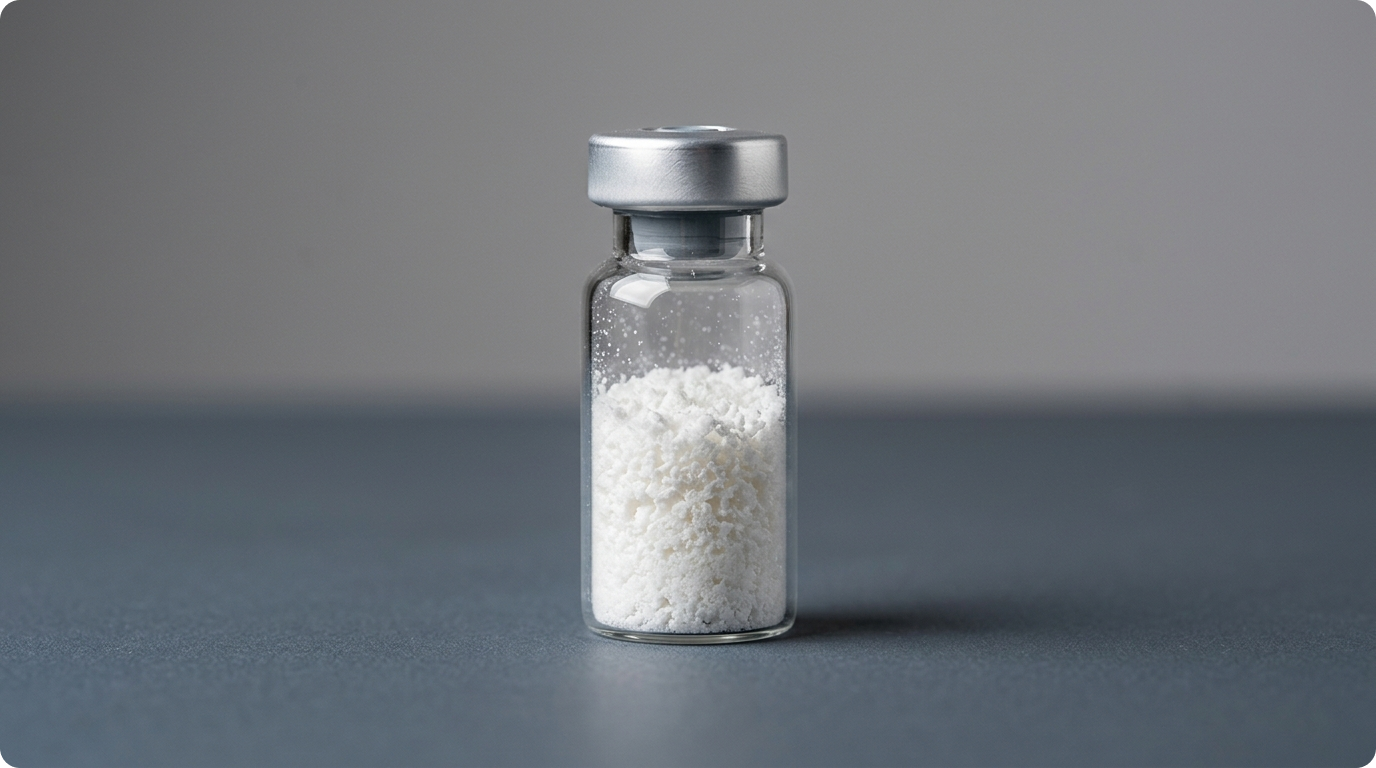
Many compounds, such as GHK-Cu, BPC-157, and CJC-1295, are in a regulating gray area due to the following:
- They might not have a finished NDA application.
- Personalized compound formulations frequently employ them.
- Though intriguing, the study is still in its early stages.
This does not always imply that they are dangerous; rather, it frequently indicates the following:
The entire market clearance process is still not completed.

Risk Vs Regulation: What Actually Matters
A more appropriate inquiry is to ask instead of concentrating only on FDA approval clearance is: What is the source of the medication?
Protection is more dependent on:
- Compounded pharmacy’s effectiveness.
- Guidelines for supply and sanitation.
- Medical monitoring and dosage.
- Patient preference and observation.
A legally authorized medicine that is inadequately supplied may be harmful.
A controlled establishment’s properly formulated medicine can be both secure and effective.

What This Means For Physicians
This difference is important for doctors:
- “Not FDA-Approved” shouldn’t immediately rule out a treatment; the needs of patients, medical reasoning, and data still have to come before anything else.
- Recognizing legal details protects patients and practices equally.
Making informed choices is the aim, not avoiding situations out of worry.

What This Means For Patients
The lesson for patients is straightforward:
- Make inquiries.
- Recognize the cause of your therapy.
- Collaborate with experienced providers.
"Not FDA approved" serves as a starting point for conversation rather than a warning sign on its own.
CONCLUSION
For a long time, the term “not FDA-approved" has been misinterpreted.
- It does not indicate danger.
- It does not imply inefficiency.
- Furthermore, it does not imply illegitimacy.
It merely means that the item has not undergone a particular regulating process.Transparency is more important than ever as medicine develops, particularly in fields like peptide treatment.
Sources:
- https://www.fda.gov/drugs/frequently-asked-questions-popular-topics/approved-drugs-questions-and-answers
- https://www.fda.gov/drugs/guidance-compliance-regulatory-information/human-drug-compounding
- https://www.ncbi.nlm.nih.gov/books/NBK562881/
- https://www.fda.gov/drugs/human-drug-compounding/compounding-inspections-and-oversight-frequently-asked-questions
- https://www.fda.gov/drugs/human-drug-compounding/human-drug-compounding-laws
- https://www.thefdagroup.com/blog/503a-vs-503b-compounding-pharmacies
- https://www.fda.gov/drugs/human-drug-compounding/fdc-act-provisions-apply-human-drug-compounding
- https://www.fda.gov/drugs/human-drug-compounding/compounding-when-drugs-are-fdas-drug-shortages-list